A 3 Day Dar es Salaam Itinerary
Three days in Dar es Salaam without wasting one of them: the museums and the fish market, a full day on Bongoyo, and a third day out at Bagamoyo or up in the Pugu hills. Timings, costs and what to book ahead.
Itineraries6 min readUpdated 26 August 2026
Three days is the right length for Dar es Salaam. Two is enough to see it and always feels clipped; four starts to drag unless you are working. Three lets you do the city properly, spend an entire day on the water, and still have one day loose enough to follow the weather or your mood.
This assumes you are based on the Msasani peninsula, which is where most visitors stay and where the boats, the restaurants and the sunsets are.
01
The city, and the market before it wakes
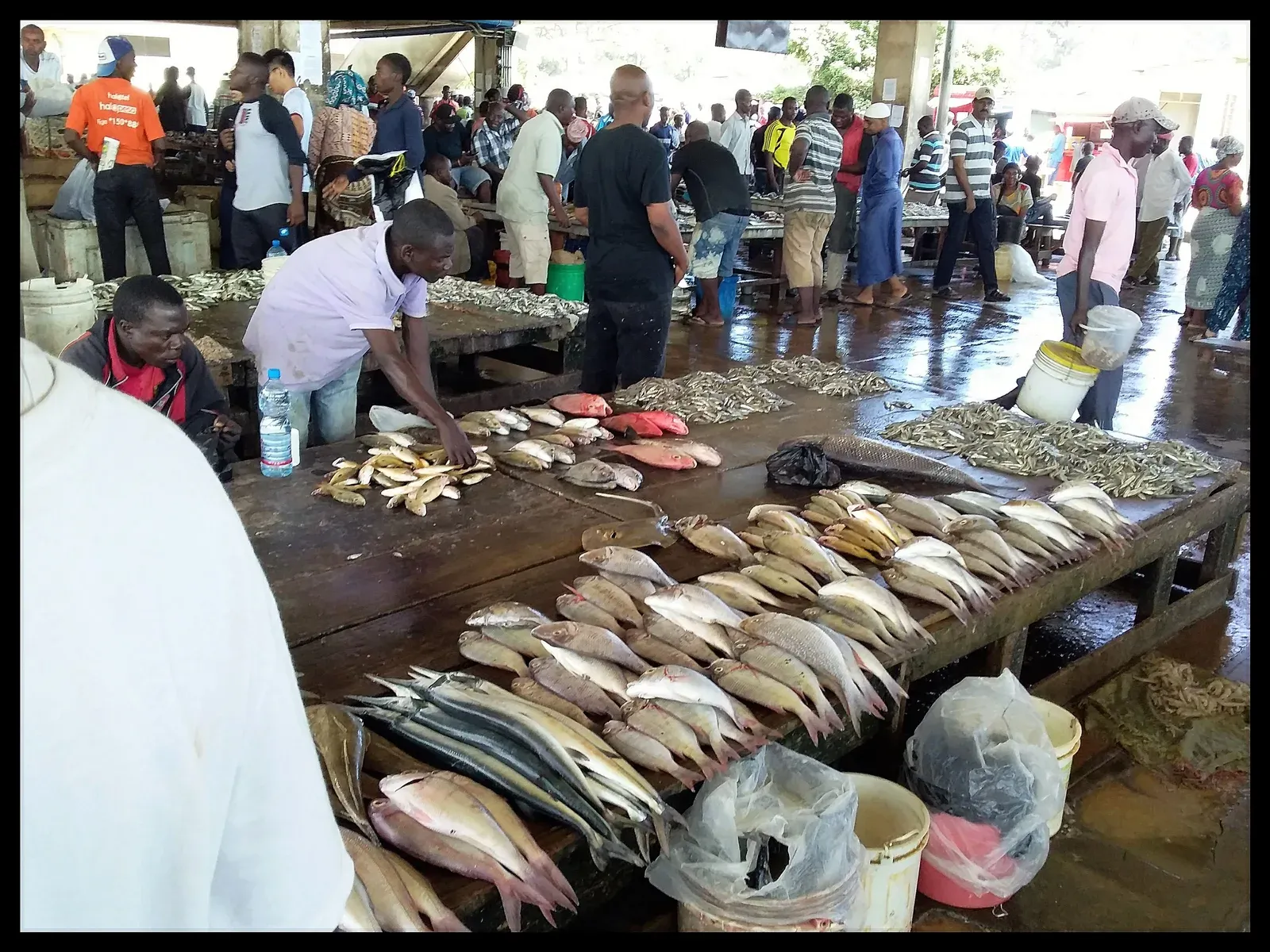
6:00amKivukoni fish market, at the harbour mouth. The dhows land the night's catch and the auction floor is loud, wet and completely indifferent to you, which is the point. Wear shoes you do not care about, ask before photographing anyone, and keep the phone in your pocket otherwise.
8:00amBreakfast back on the peninsula, or push on if you are still going.
10:00amThe National Museum of Tanzania on Shaaban Robert Street. The Olduvai and Laetoli material is the reason to come, and if any part of your trip involves going north later, seeing this first changes what you are looking at when you get there. An hour, maybe two.
12:00pmWalk Sokoine Drive: Azania Front Lutheran Church, St Joseph's Cathedral, the Old Boma. Half an hour of colonial waterfront, and best done before the worst of the heat.
1:00pmLunch in the centre, then out of the sun for a couple of hours. This is not laziness; midday here is genuinely punishing and everyone local does the same.
4:00pmThe Village Museum on Bagamoyo Road, when it has cooled. Full-scale traditional dwellings from around fifteen ethnic groups, spread across a green compound. Ngoma performances on weekend afternoons.
6:15pmSunset. You are seven degrees off the equator, so it happens at roughly the same time every day of the year and it is over in twenty minutes. Be somewhere with a west view before six.
02
Bongoyo Island, all day
9:00amBuy the round trip and the marine reserve entry together at The Slipway jetty in Msasani. Boats run on a fixed schedule through the morning. Bring cash, water, sunscreen and a hat; there is shade on the island but not much of it.
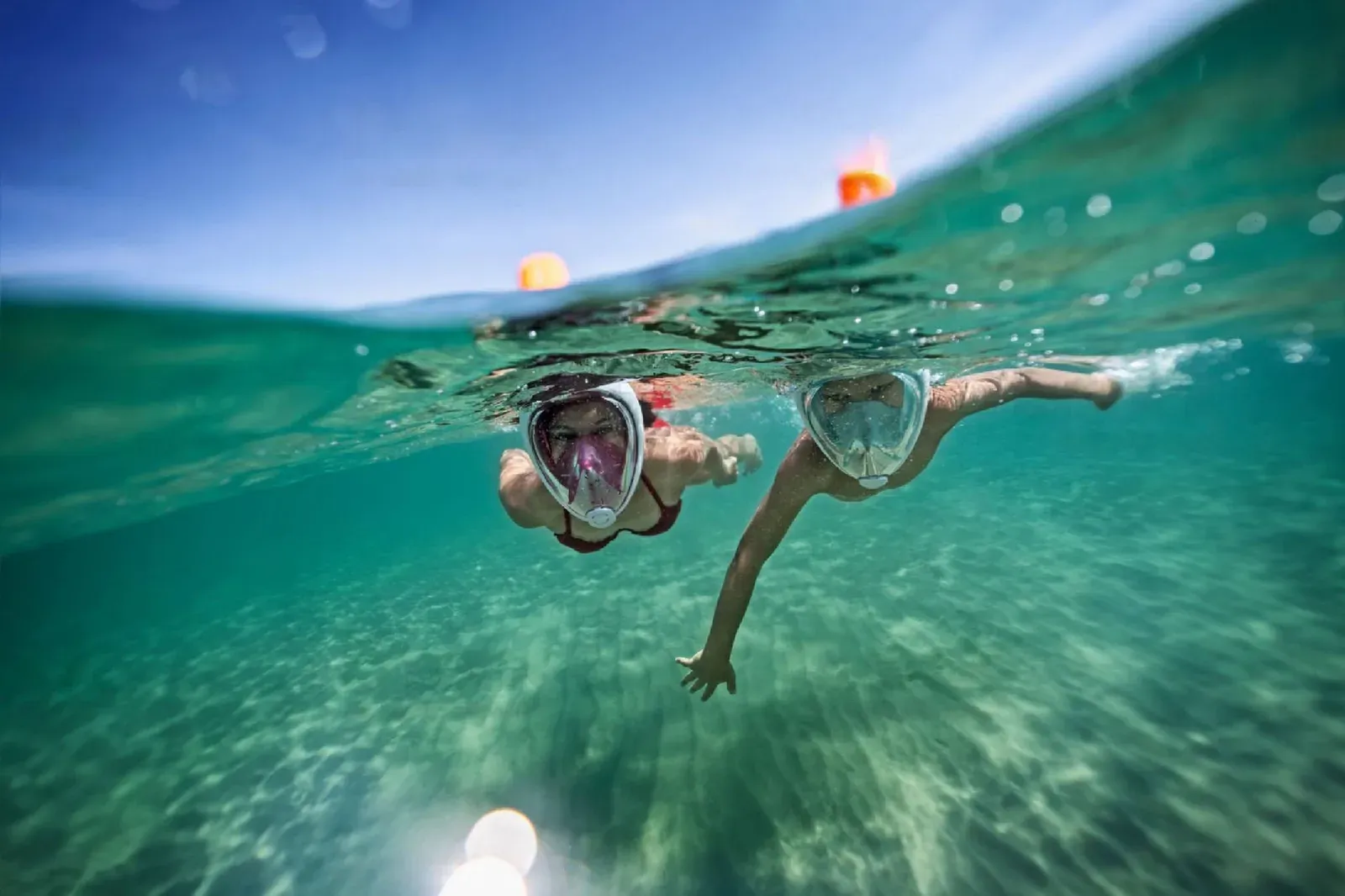
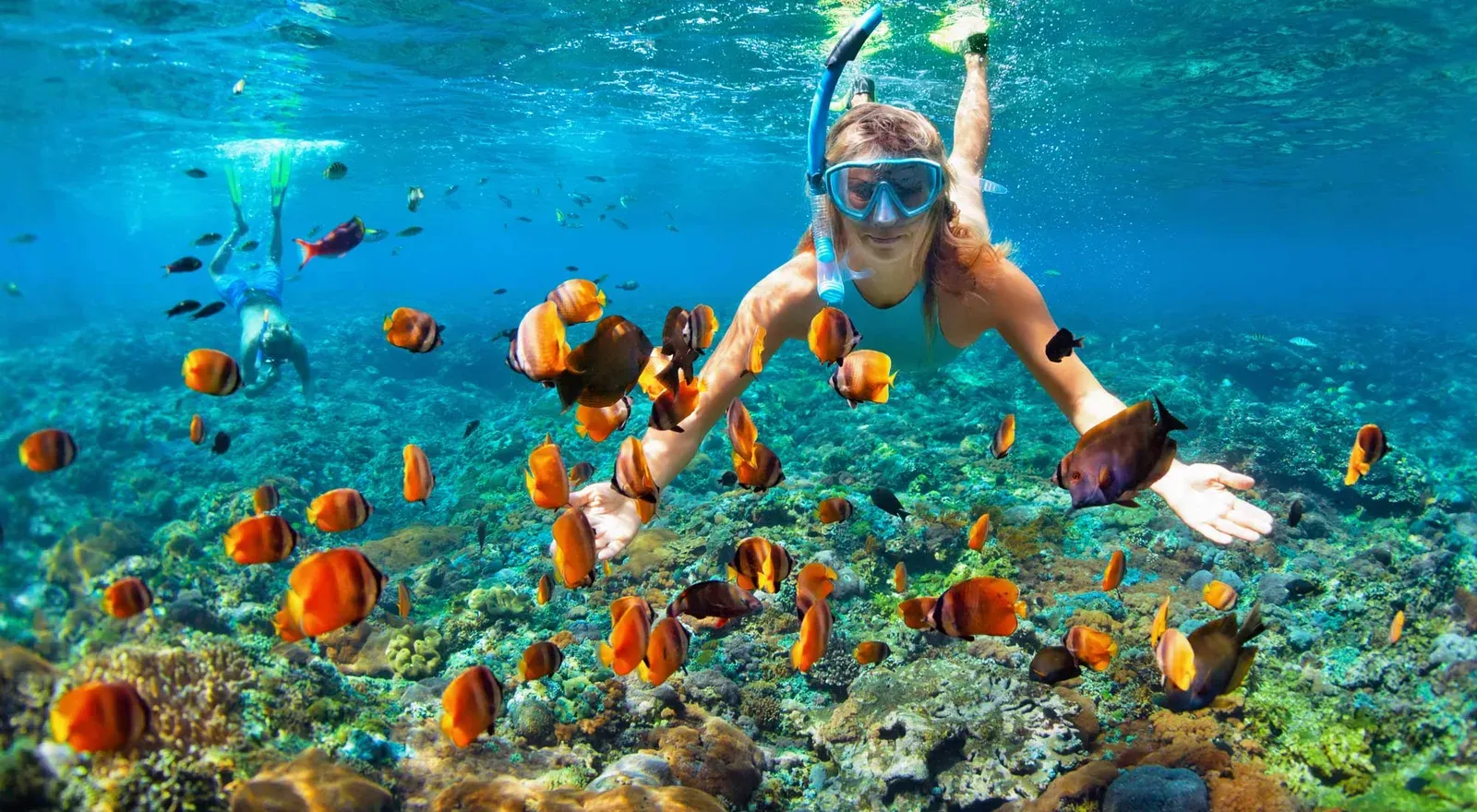
9:30amTwenty-five minutes across to Bongoyo, an uninhabited island inside the Dar es Salaam Marine Reserve. White sand, clear shallows, a sandbar that surfaces at low tide, and a couple of beach grills doing fried fish and chips.
All daySwim, walk the sand round to the quieter side, eat lunch off the grill, do very little. On a weekday you may share the main beach with a dozen people. Weekends bring Dar families out in force, which is a different and livelier day.
4:00pmLast boats back in the late afternoon. Confirm the return time when you buy, not after.
6:00pmThe Waterfront at the Slipway is a two-minute walk from where the boat drops you, sits directly on Msasani Bay, and is the obvious place to end this day.
Mbudya is the alternative and near-identical, reached from Kunduchi or Kawe rather than the Slipway. Pick it if you are staying up the northern beaches. Sinda is the third and quietest, usually a private charter rather than a scheduled boat.
03
Out of the city, or back on the water
Three ways to spend the last day, in rough order of how far they take you from a beach chair.
Bagamoyo
- Distance
- About 70km north
- Drive
- 90 minutes each way
- Cost
- Car and driver for the day
- Book
- The day before
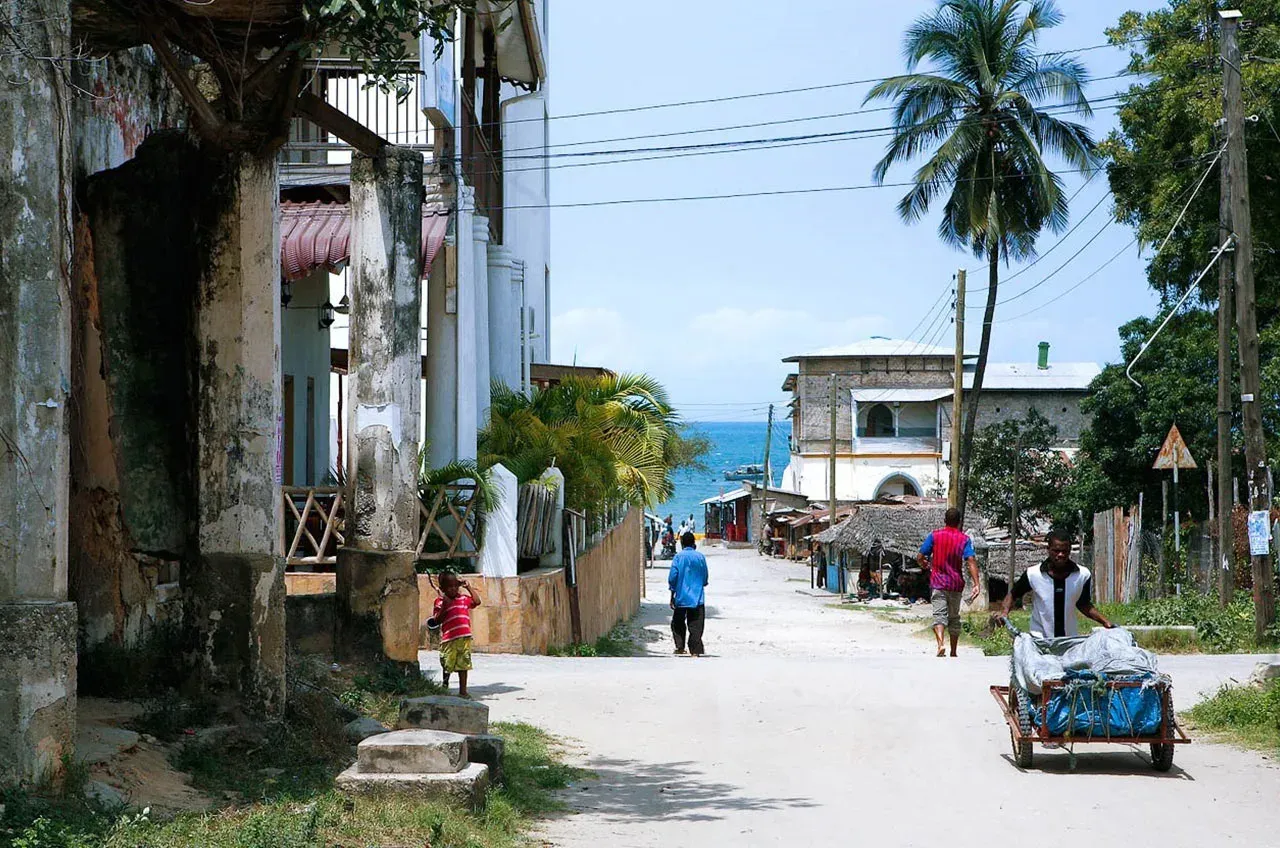
The heavy option, and the most rewarding. Bagamoyo was the end of the caravan route from Lake Tanganyika, the main mainland slave port before Zanzibar took the trade, and then the first capital of German East Africa. The old town, the Catholic mission museum, the German boma and the 13th-century Kaole ruins just south are all within a few kilometres.
Hire a car and driver for the day rather than attempting it on public transport. Leave early to beat the road out of the city.
Pugu Hills
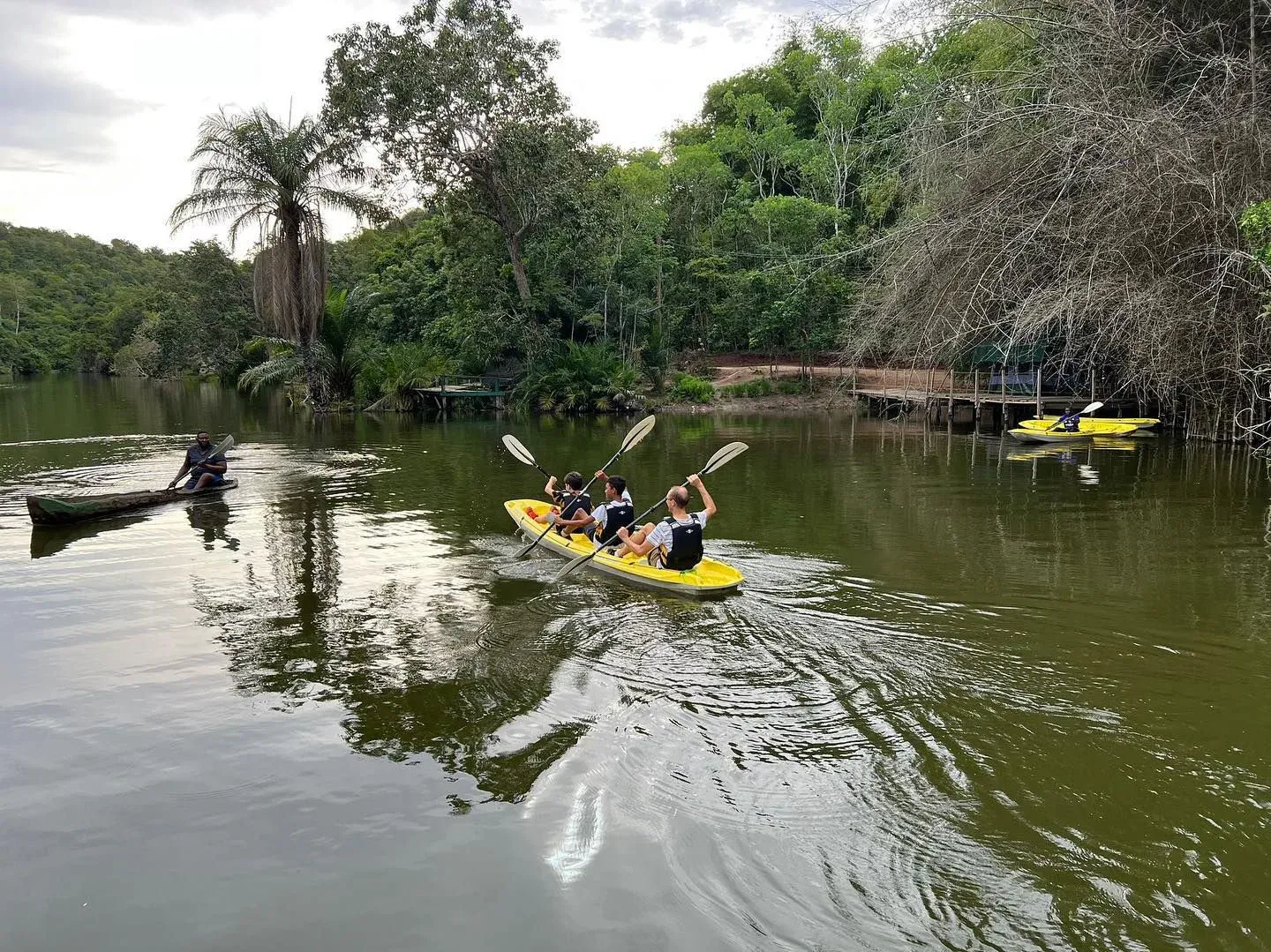
Thirty minutes inland, one of the oldest forest reserves in Africa: walking trails, colobus monkeys, birdlife, bats, and views back down over the city. The only genuinely cool air near Dar, and a good half day when the coast is at its most humid.
Kariakoo, then a second beach
If you want the city rather than the country: Kariakoo mid-morning, the wholesale market that actually runs the region, several dense blocks of spices, dried fish, textiles and hardware with no concession made to visitors. Go with someone local if you can, leave the jewellery behind, and treat the pickpocketing risk as real. An hour or two is plenty, and then a boat to Mbudya for the afternoon.
Practical notes for the three days
- Move on Bolt. A few dollars a ride, no negotiation, works everywhere in the city.
- Traffic is the plan-breaker. The morning and evening peaks are close to immobile. Never schedule anything tight across them, and give yourself three hours to the airport on a weekday evening.
- Cash. Museums, boats, markets and most taxis are cash. Withdraw shillings from a bank ATM, not an airport bureau.
- Sunset is 6:15 to 6:45pm every day of the year, and it is quick.
- March to May is the long rains, which will cancel a boat day. June to October is the reliable window.
- Dress modestly in markets and the centre. Dar is a majority-Muslim coastal city.
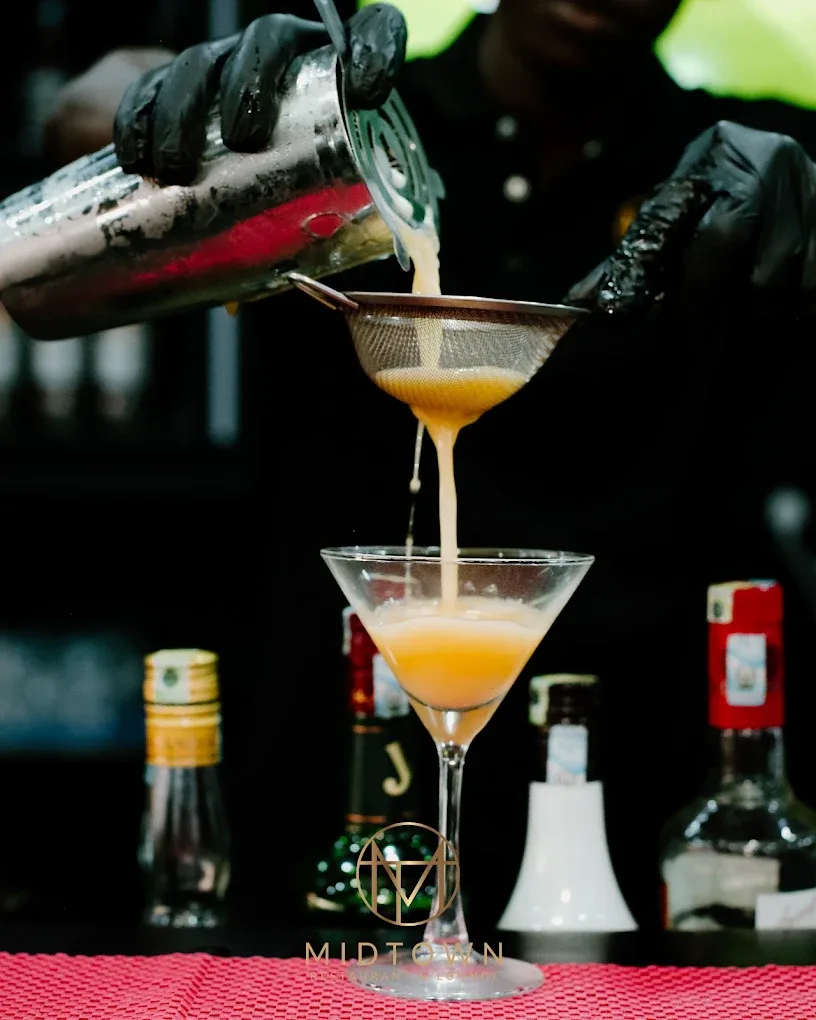
Finish The Day On The Roof
Two of these three days end within a few minutes of Masaki. Midtown is on the roof there, with sunset seating that goes first and a kitchen running Jamaican and Swahili together.
Common questions
- Is three days enough for Dar es Salaam?
- Three days is close to ideal. Two covers the city and one island comfortably; the third gives you Bagamoyo, Pugu Hills or a second island without rushing. More than three days and you should be moving on to Zanzibar or a park, both of which are easy from Dar.
- What should I book in advance for three days in Dar?
- Very little. Book your hotel, and book a driver for the Bagamoyo day if you take it. Island boats are bought at the jetty on the morning, museums do not take reservations, and restaurants only need booking for sunset on a Friday or Saturday. This is a city you can largely improvise in.
- How much does three days in Dar es Salaam cost?
- Excluding your hotel and international flights, budget modestly. The big line items are the island boat and marine reserve fee, museum entries which are small, a car and driver for the Bagamoyo day which is the single most expensive item, and food. Bolt rides across the city are a couple of dollars each. Carry cash for everything except hotels and better restaurants.
- What is the best order to do things in Dar es Salaam?
- Front-load the city on day one while you are still adjusting, because the museums and market are indoor and low effort. Put the island on day two when you have found your feet and know the weather. Leave day three flexible, because whether Bagamoyo or a second beach day is right depends on how the first two went.