What to Eat in Dar es Salaam: A Swahili Food Guide
Mishkaki, chipsi mayai, pilau, urojo and octopus curry: the dishes that define Dar es Salaam, what they cost on the street, and the places that have been cooking them for decades.
Dar es Salaam7 min readUpdated 16 September 2026
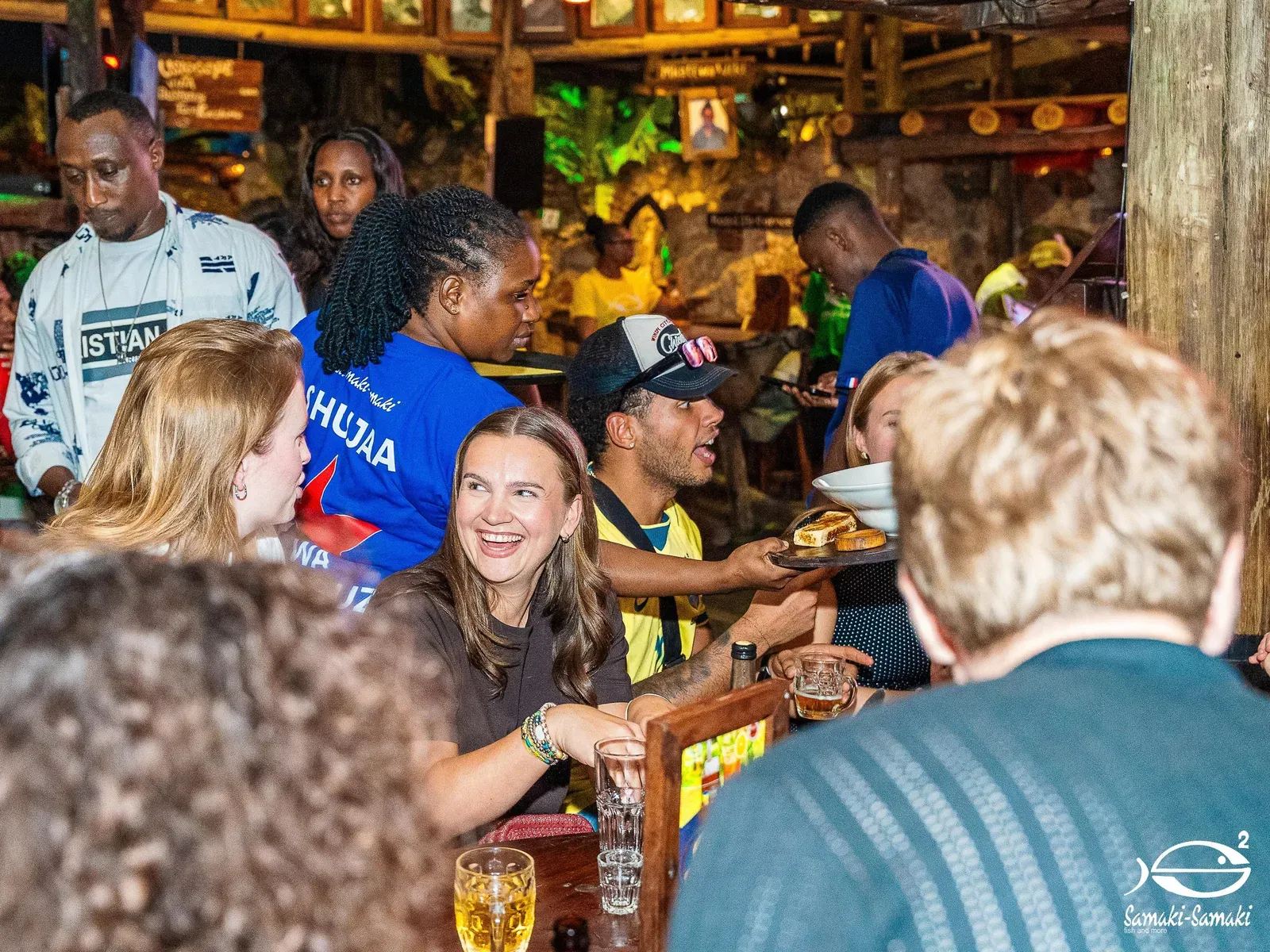
The food of Dar es Salaam is Swahili coastal cooking, which means it is already a mixture: African staples, Arab rice and spice, and a long Indian influence that arrived with Gujarati traders and settlers and never left. The result is a city where the best meal of the day might be a skewer of charcoal-grilled beef eaten standing up, and the second best a bowl of Zanzibar mix from a cart in Upanga.
Here is what to eat, what it costs, and where to find it.
The dishes
Mishkaki
- What
- Marinated meat skewers, grilled over charcoal
- Served
- With chapati, chips and kachumbari
- Street_Price
- About TSH 1,000–2,000 a skewer
The smell of Dar in the evening. Mishkaki — the name comes from the Swahili for skewer — are chunks of beef, goat or chicken marinated with garlic, lemon, chilli and spice, then grilled over charcoal until the edges catch. They come with chapati or chips and kachumbari, a sharp salad of tomato and onion.
Every neighbourhood has a mishkaki grill. The open-air grills of Kinondoni and Magomeni, and the stalls of Kariakoo and Mwenge, are where most of the city eats them.
Chipsi mayai
- What
- Chips fried into an egg omelette
- Served
- With kachumbari or pili pili
- Street_Price
- About TSH 3,000–5,000
- Origin
- Dar es Salaam, 1980s
Chips and eggs, fried together in a pan into a thick, golden omelette. It sounds like nothing and tastes like exactly what you want at eleven at night. Chipsi mayai was invented on the streets of Dar es Salaam in the 1980s and has since spread to every corner of the country; it is regularly called Tanzania's unofficial national dish.
Every machinga stall that fires up in the evening will make you one to order. Add pili pili.
Pilau
- What
- Spiced rice with meat
- Spices
- Cardamom, cinnamon, cloves, cumin
- Best
- Lunch, and celebrations
The coast's celebration rice: slow-cooked with onions, garlic, cardamom, cinnamon, cloves and cumin, usually with beef or chicken. It is the dish on the table at weddings and at Christmas, and the one most local restaurants do best at lunchtime.
Urojo, or Zanzibar mix
- What
- Tangy, loaded soup
- Toppings
- Potato, chickpeas, bhajias, chutneys
- Origin
- Zanzibar
- Best_Time
- Upanga, from about 5pm
A Zanzibari dish with a clearly Indian accent: a tangy, thickened soup loaded with potato, chickpeas, fried bhajias and a spoonful of whatever chutney is on offer. It is messy, sour, spicy and completely addictive.
In Dar, Chaiwala Cafe serves it, and Joshi's Vegetarian Food Fort is reported to do several versions. The best way to find it, though, is to be in Upanga at around five in the afternoon, when Indian-style street carts roll out selling urojo alongside pani puri and bhel puri.
From the harbour
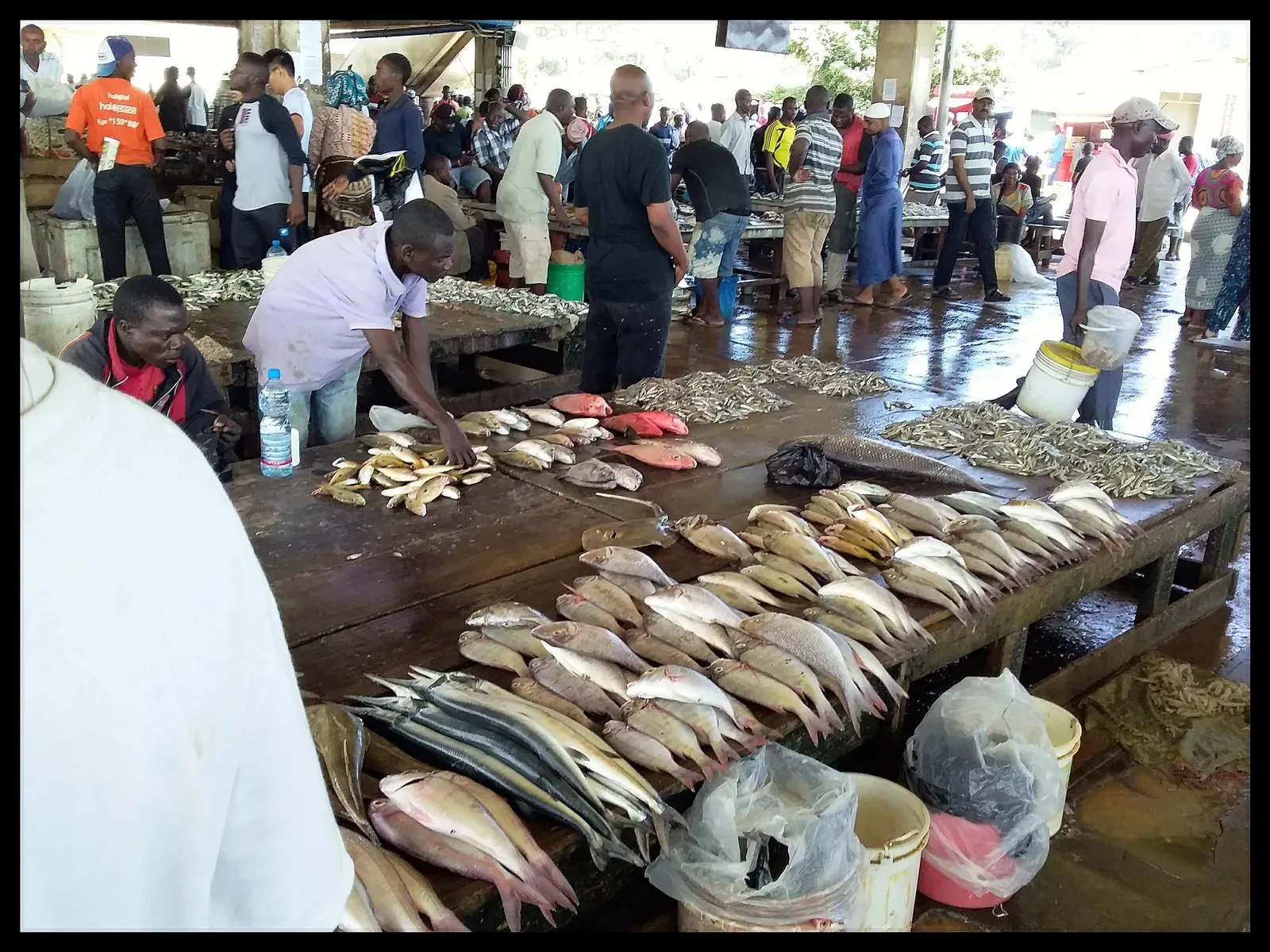
Kivukoni fish market, on the waterfront in the city centre, is where the day's catch comes in, and the grills around it cook it on the spot: whole fish, calamari, and mchuzi wa pweza, an octopus curry that is one of the definitive Dar dishes. Go early, as the market is at its best in the morning.
And the rest of the table
- Nyama choma — grilled meat, usually goat or beef, ordered by weight and shared. The social meal of East Africa.
- Sekela chicken — chicken marinated in ginger, garlic, yoghurt, tamarind, lemon, chilli, turmeric and cumin, then charred.
- Ugali — stiff maize porridge, eaten with the hand and used to scoop up stew.
- Wali wa nazi — rice cooked in coconut milk.
- Mandazi and vitumbua — fried dough with coconut and cardamom, and soft coconut rice cakes. Breakfast, with sweet spiced chai.
- Sugarcane juice — pressed on the spot, and the thing you want at Coco Beach in the afternoon.
Where to eat
Mamboz Corner BBQ, Kisutu
- Area
- Kisutu, city centre
- Branches
- Upanga, Mikocheni, Green Sports Park
- Known_For
- Mishkaki, gajjar chicken
- Style
- Tables by the roadside
A Dar institution: a patch of tables beside one of the busiest roads in the city, a family running the grill in person, and some of the best mishkaki in town. Beef and chicken skewers, a very hot gajjar chicken, and, for the adventurous, firigisi (gizzards) and maini (liver), with paneer and vegetable options too. If you want the same food somewhere calmer, Mamboz SizGrill in Upanga is the sit-down version.
Chef's Pride, city centre
- Area
- Chagga Street, Mchafukoge
- Since
- Early 1980s
- Kitchen
- Swahili and Indian
- Best
- Breakfast and lunch
Open since the early 1980s and busy for most of every day since, with locals, office workers and visitors all eating side by side. The menu runs across Swahili and Indian dishes and it is a particularly good place for a proper local breakfast. Food arrives quickly. That it is always full is the recommendation.
KT Shop, Kisuti Street
- Area
- Kisuti Street
- Since
- 1968
- Known_For
- Chai, samosas, beef kebab
Open since 1968 and one of the city's genuinely shared institutions. Spiced milk tea, samosas, mandazi, and a beef kebab that is crisp outside and soft within. Go in the morning.
Nyama choma on the peninsula
Choma Hut, on Haile Selassie Road opposite the International School in Masaki, does barbecue with Indian and Tanzanian influences. Nyama Choma Joint, in the Namanga part of Msasani near the old Oysterbay police station, is a straightforward grill: T-bone and ugali. BBQ Village is another well-known chargrill for mishkaki, sekela chicken and pili pili chicken.
Midtown, Masaki
- Area
- Masaki
- Type
- Rooftop restaurant and lounge
- Kitchen
- Jamaican and Swahili
- Happy Hour
- Mon–Thu, 3–7pm
Full disclosure, this is us. Midtown is a rooftop in Masaki whose kitchen cooks Swahili and Jamaican food on the same card, which is less strange than it sounds, because the two coasts share most of a pantry.
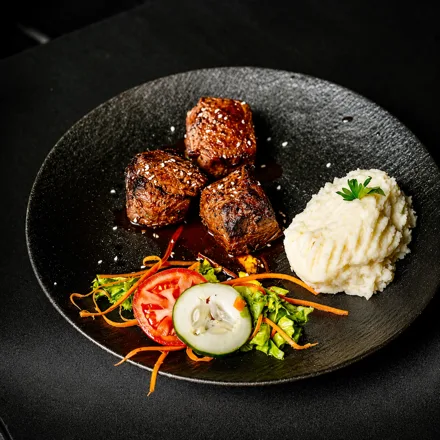
On the Swahili side of the board: Beef Mishikaki at TSH 15,000, a Caribbean Surf & Turf Mishikaki at TSH 18,000, Sekela Chicken at TSH 25,000, Mbuzi Choma (grilled goat) at TSH 20,000, Makange Fish at TSH 28,000, Chicken Makange at TSH 24,000, and Curry Chicken with rice and chapati at TSH 25,000. It is sit-down, rooftop pricing rather than street pricing, with the sunset included.
If Caribbean cooking interests you as well, we have written about Jamaican and Caribbean food in Dar es Salaam.
Street food: what it costs
| Item | Typical street price |
|---|---|
| Mishkaki, per skewer | TSH 1,000–2,000 |
| Chipsi mayai | TSH 3,000–5,000 |
| Mandazi or vitumbua | TSH 1,000–3,000 |
| Ugali with stew, local eatery | TSH 5,000–12,000 |
| Nyama choma for two, roadside | TSH 15,000–30,000 |
These are typical ranges, and prices vary by area. Carry small notes, because stalls rarely take cards and rarely have change for a large one.
Eating on the street, sensibly
- Busy stalls only. High turnover means fresh food.
- Hot and cooked in front of you, such as mishkaki, chipsi mayai and grilled fish, is the safe choice.
- Bottled water, and go easy on salads that have been sitting out.
- Evening is prime time. Grills and machinga stalls fire up as the light goes.
- Keep your phone away in Kariakoo while you eat; it is the city's busiest crowd.
Finish The Day On The Roof
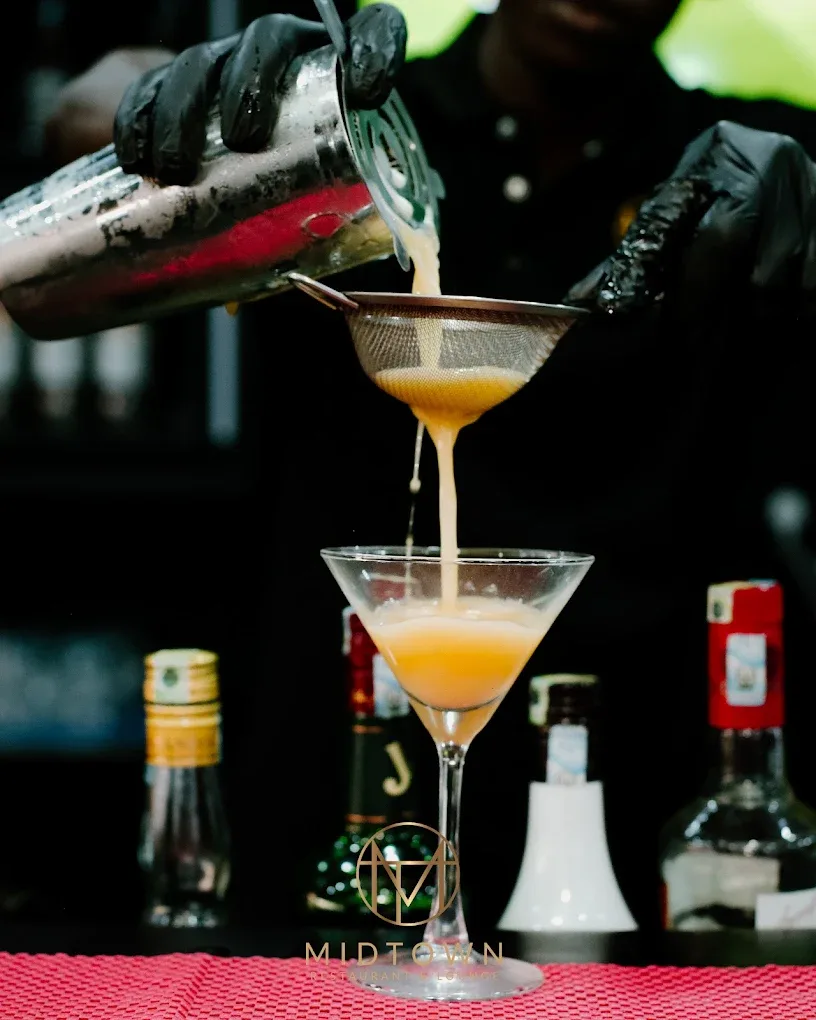
Sunset seating in Masaki, Jamaican and Swahili cooking, and the last of the light over the city. Message or call to book.
Common questions
- What food is Dar es Salaam known for?
- Mishkaki, the charcoal-grilled meat skewers you smell on every corner in the evening, and chipsi mayai, the chips-and-egg omelette that was invented on Dar's streets in the 1980s and is now effectively Tanzania's national dish. Around them sit pilau, grilled fish and octopus curry from the harbour, and a long list of Indian-influenced dishes such as urojo, samosas and sekela chicken that reflect the coast's history.
- What is chipsi mayai?
- Chips fried together with beaten eggs into a thick omelette, served with kachumbari salad or pili pili hot sauce. It was invented on the streets of Dar es Salaam in the 1980s, is sold everywhere from roadside stalls to proper restaurants, and costs roughly TSH 3,000 to 5,000 a portion at a stall. It is the most Tanzanian thing you can eat.
- How much does street food cost in Dar es Salaam?
- Very little. A mishkaki skewer is roughly TSH 1,000 to 2,000, a portion of chipsi mayai TSH 3,000 to 5,000, mandazi or vitumbua TSH 1,000 to 3,000, and a plate of ugali with stew at a local eatery TSH 5,000 to 12,000. Nyama choma for two at a roadside grill runs to about TSH 15,000 to 30,000. Carry small notes, because stalls rarely take cards.
- Where can I eat urojo (Zanzibar mix) in Dar es Salaam?
- Urojo is a Zanzibari dish, but Dar has good versions. Chaiwala Cafe serves it, and Joshi's Vegetarian Food Fort is reported to do several varieties. The most atmospheric way to find it is in Upanga at around 5pm, when Indian-style street carts appear selling urojo alongside pani puri and bhel puri.
- Is street food safe to eat in Dar es Salaam?
- Generally yes, if you follow the usual rules. Eat at busy stalls where food is turning over quickly, choose things cooked hot in front of you, such as mishkaki, chipsi mayai and grilled fish, and drink bottled water. Be more careful with salads and anything that has been sitting out. Most visitors eat on the street without any trouble.