Living in Masaki, Dar es Salaam: A Guide for New Arrivals
What it is like to live in Masaki: rents, safety, internet, getting around, where to eat and work, and how it compares with Oyster Bay and Mikocheni.
Dar es Salaam3 min readUpdated 16 September 2026
Masaki sits at the tip of the Msasani peninsula, with water on three sides, and it is where a large share of Dar es Salaam's newcomers start out. It is green, compact and busy, and you can get most of daily life done within a few streets.
What it costs
- Apartments
- About $1,000–$2,000+ a month
- Oyster_Bay_Villas
- About $1,800–$2,900+
- Cheaper
- Mikocheni, Upanga
Estate agents list modern apartments in Masaki at roughly $1,000 to $2,000 or more a month, often with a pool, gym, generator and guards. Oyster Bay villas start at around $1,800. These are asking prices, so negotiate, and visit at night before you sign.
For the same space for less, look at Mikocheni or Upanga. The comparison is in safest neighbourhoods in Dar es Salaam.
Safety
Masaki has private security, lighting and people on the street in the evening. The UK and Canadian advisories still name the Masaki and Oyster Bay peninsula, Coco Beach and Toure Drive for snatch theft from motorbikes and cars. Keep your phone out of sight, walk facing traffic, and use Bolt after dark. Take the building's generator and guard arrangements seriously. The full picture is in the areas to be careful in.
Working
- Coworking: Worq on Msasani Road (open 9am–9pm daily, with a generator), and ZO Spaces at The Slipway and Sea Cliff.
- Internet: fibre from GOfiber, Blink or Hai; mobile data is fast on Yas and Vodacom.
- Power: there has been no national load shedding since early 2026, but get a flat with a generator anyway.
- Visas: a tourist visa does not allow work.
Details are in the best workspaces for remote workers.
Getting around
- Bolt and Uber for almost everything. They're cheap and metered.
- Traffic off the peninsula is heavy at rush hour. Live near where you work, or plan to leave early.
- Avoid boda bodas (motorbike taxis) and dala dalas. Both government advisories warn against them.
Eating and going out
Masaki is the city's restaurant district:
- Coffee and brunch: Wild Flour, Kaffé Koffee. See brunch in Dar.
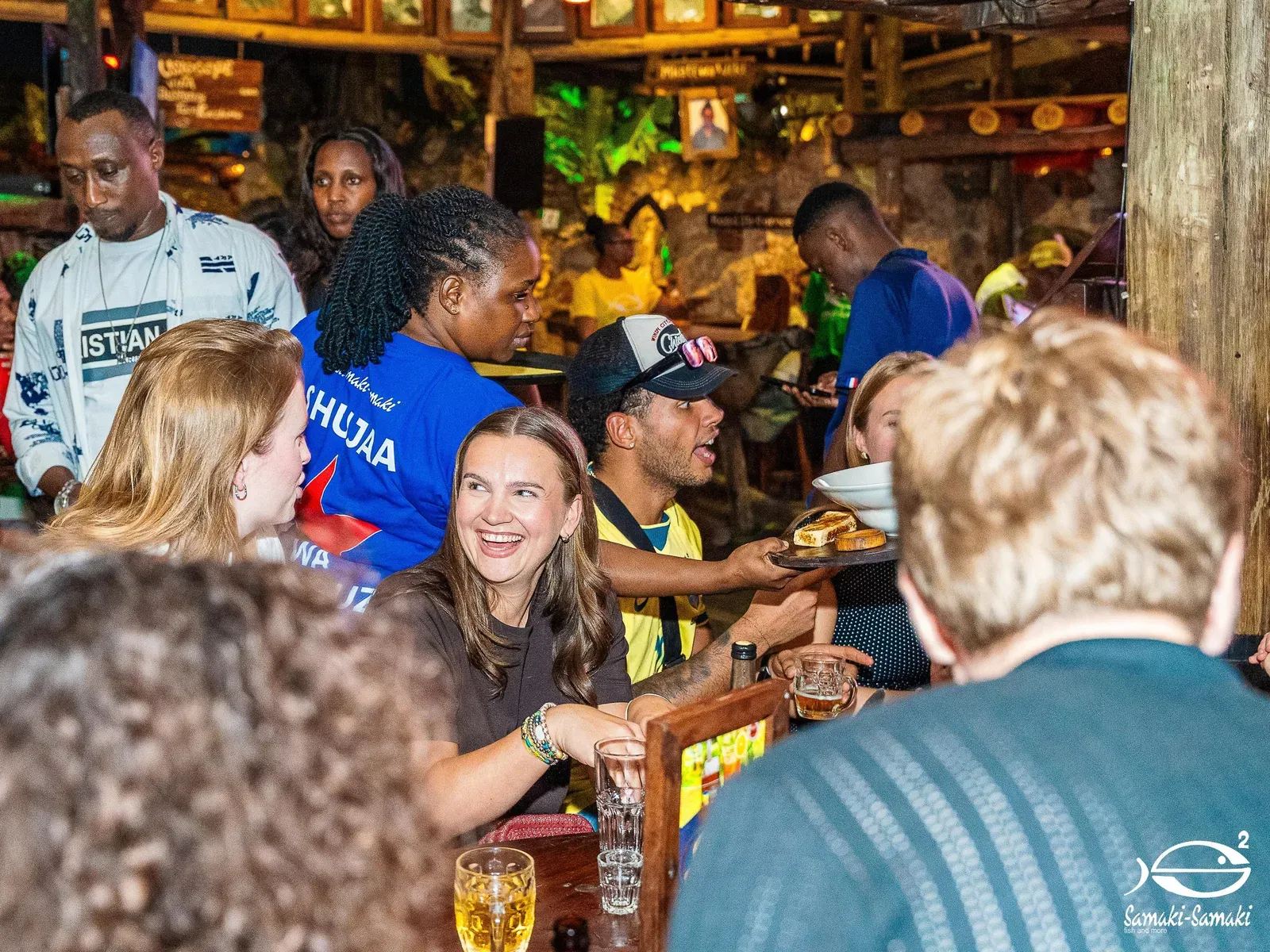
- Evenings: Samaki Samaki, George & Dragon, The Slipway.
- Local food: mishkaki grills and Swahili kitchens. See the Swahili food guide.
- Weekends: Bongoyo Island, from The Slipway.
Midtown
- Area
- Masaki
- Type
- Rooftop restaurant and lounge
- Happy Hour
- Mon–Thu, 3–7pm
- Wifi
- Yes
Full disclosure, this is us. Midtown is a rooftop in Masaki with wifi, live music, brunch, a Jamaican and Swahili kitchen, and happy hour Monday to Thursday, 3:00 to 7:00pm. It's a good first night out in your new neighbourhood.
First-week checklist
- SIM card with your passport. See the arrival guide.
- Bolt installed and a payment method set up.
- Cash in small notes.
- Mosquito nets and repellent.
- Know your building's generator, water tank and guard arrangements.
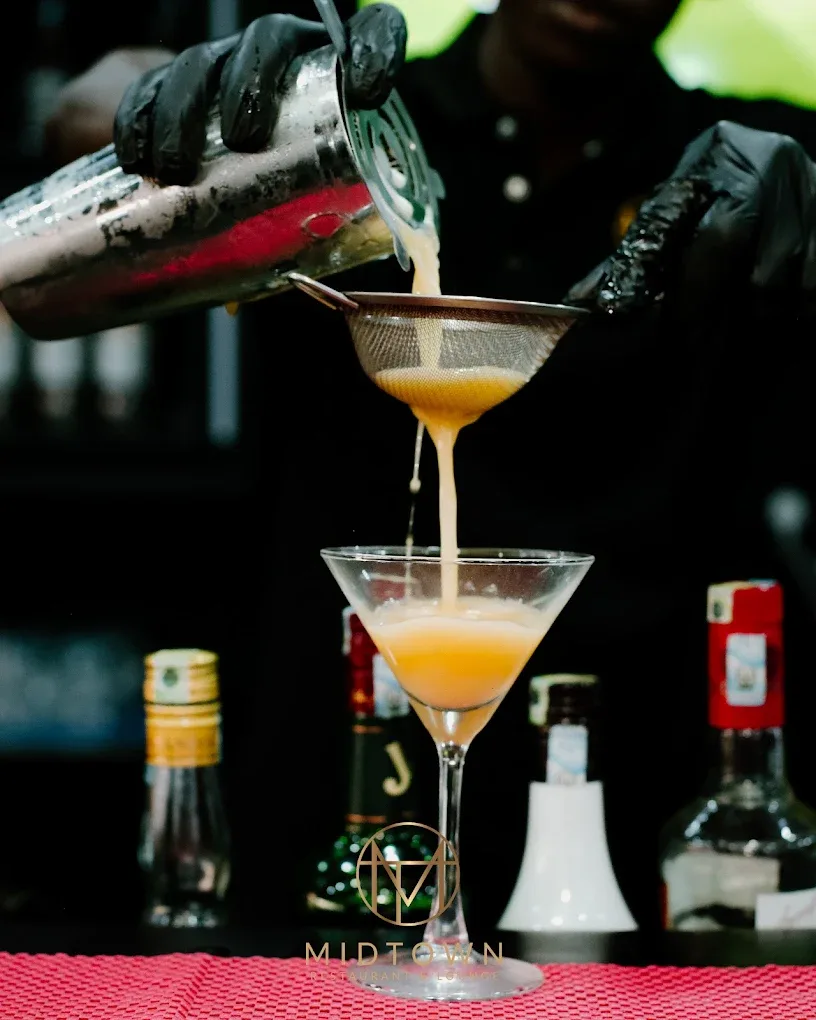
Finish The Day On The Roof
Sunset seating in Masaki, Jamaican and Swahili cooking, and the last of the light over the city. Message or call to book.
Common questions
- How much is rent in Masaki?
- Estate agents list modern apartments in Masaki at roughly $1,000 to $2,000 or more a month, and Oyster Bay villas at around $1,800 to $2,900 or more. These are asking prices, so negotiate, and look at Mikocheni and Upanga for lower rents.
- Is Masaki a good place to live?
- For most newcomers, yes. It is compact and walkable by day, full of restaurants, cafés and coworking spaces, well supplied with private security, and it has the city's largest international community. The trade-offs are higher rents, traffic on the one road off the peninsula, and snatch theft on the street, which the UK and Canadian travel advisories specifically mention.